The cells of Sachsenhausen concentration camp
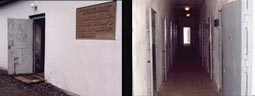
This exhibition opened in 1999 and describes the history of Sachsenhausen's camp prison. The main sources for the information presented in this exhibition are court cases held against SS guards. Photographs, drawings and documents as well as some biographies of prisoners held in the cells are all used to tell the story and function of this part of the camp. A feature of the building's new concept was to use the space provided by two of the cells for temporary exhibitions describing the lives of individual prisoners or groups of prisoners.
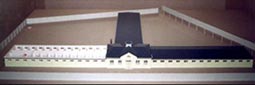
The history of the building from 1939 - 1961 is presented in cell No.1. The prison building and its yard, which was divided from the rest of the camp were places of unimaginable suffering for the prisoners of Sachsenhausen concentration camp.
The SS used the area as a place to hold concentration camp prisoners on arrest and to punish prisoners held in the camp. In addition, Berlin's Gestapo used the cells to hold special prisoners and prisoners under interrogation.
During the time of the Soviet special camp (1945 - 1960), the Soviet command used the camp prison mainly as a place of punishment, but also as a quarantine and collection area.
Only one ruined wing has survived from the original prison building and in 1961, during the construction of the national memorial, it was renovated and equipped with a museum.
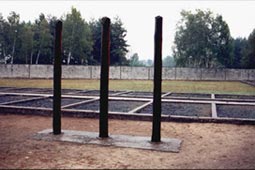
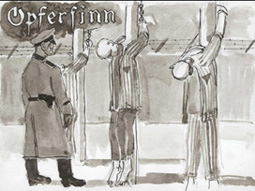
Cell No.2 holds an exhibition describing the SS's system of punishment in the camp. The SS breached the camp's rules for handling the prisoners by beating them, imprisoning them in the dark, chaining them up by their wrists and sometimes even hanging them.
The SS locked up prisoners here which they wanted to torture, kill or drive to suicide away from the eyes of other prisoners. Many ex-prisoners reported that the SS used far worse punishments than were officially recognised and that prisoners were tortured and left at the disposal of the prison guards.
Cell No.3 covers the fate of the Gestapo's special prisoners and
those which were interrogated by them. They included Herbert Nicolai, a
Communist, George Elser, who planned an attack on Hitler, the Polish
suffragan bishop Wladyslaw Goral, French minister president Paul Reynaud,
and the foreign office's state secretary Martin Luther.

